Why Urban Prepping Keeps Growing in Pop Culture

Urban prepping keeps growing in pop culture because preparedness has become less about extreme survival scenarios and more about navigating uncertainty. Rising concerns about supply chains, natural disasters, economic instability, and public emergencies have encouraged many people to think differently about self-reliance.
Media, technology, and social platforms have accelerated this shift. Reality television introduced millions of viewers to preparedness culture, while social media transformed practical skills such as food storage and emergency planning into widely shared lifestyle content. Today, urban prepping is no longer defined by remote compounds and underground bunkers. Instead, it often looks like organized pantry shelves, emergency kits, and carefully planned routines integrated into everyday city life.
What Urban Prepping Actually Looks Like in 2024
Urban prepping in 2024 rarely resembles the survivalist stereotypes that once dominated public perception. Most city-based preppers focus on practical preparation rather than dramatic doomsday scenarios. Their goal is to build resilience without disrupting everyday life.
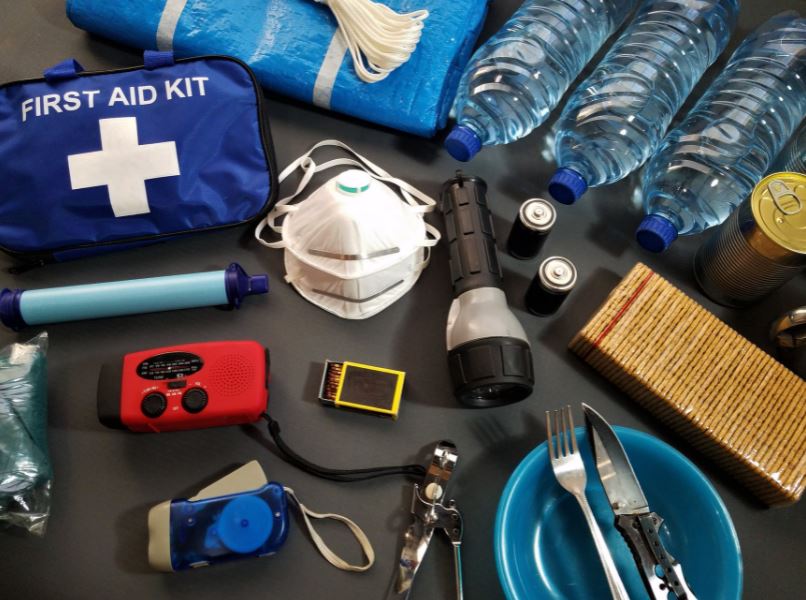
Preparation often starts with simple measures. Households gradually build emergency food supplies, store extra water, maintain backup batteries, and keep basic medical kits on hand. Apartment dwellers may experiment with indoor gardening, learn food preservation techniques, or create emergency plans tailored to urban environments.
The emphasis is on adaptability and discretion. Rather than constructing elaborate shelters, modern urban preppers typically focus on making their homes better equipped to handle temporary disruptions. These preparations often look indistinguishable from ordinary household organization, reflecting a broader shift toward practical readiness rather than extreme survivalism.
How COVID Turned Millions of City Dwellers Into Urban Preppers
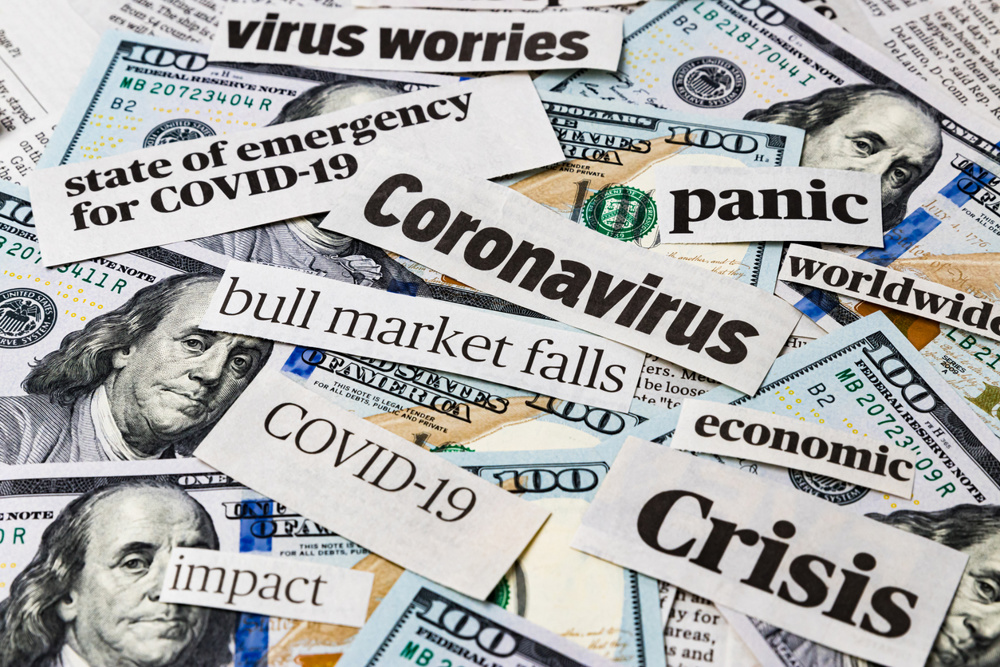
Few events have stress-tested city life like COVID-19. When New York City recorded over 23,000 deaths and hospitals ran out of beds and protective equipment, you saw firsthand how quickly urban systems buckle. The federal government's scattered response left states fighting each other for ventilators and N95 masks, confirming what many already suspected — you can't rely on outside help during a crisis.
That realization triggered pandemic migration out of dense metros, slashing rents and emptying business districts. But it also sparked something constructive. Neighborhood mutual aid networks grew as residents organized around shared survival needs. Groups like the New York City Prepper's Network had already built community-first frameworks, and COVID validated their approach.
Millions of city dwellers didn't just panic — they started preparing. This mirrors how civil-society movements in conflict-affected cities like Kabul have demonstrated that organized community action can sustain structured, grassroots responses even amid institutional failures. Researchers studying COVID-19's urban impact have called for disaster risk management frameworks that build resilient cities capable of withstanding future pandemics across response, mitigation, and preparedness phases.
The Societal Anxieties Driving Urban Prepping's Rise
Preparedness culture has also been shaped by broader social concerns. Economic uncertainty, aging infrastructure, rising living costs, and increasingly frequent emergencies have contributed to a growing sense that individuals should be prepared to handle disruptions independently.
These concerns affect people across different backgrounds and communities. Some worry about severe weather events, while others focus on supply shortages, economic instability, or public safety concerns. Despite differing motivations, many arrive at similar conclusions about the value of preparation.
The result is a preparedness movement driven less by fear of specific disasters and more by a desire for greater personal resilience. Urban prepping provides a sense of control during periods when many aspects of daily life feel unpredictable.

Why Climate Anxiety Is Fueling Modern Prepping
Climate-related events have become one of the strongest drivers of modern preparedness culture. Wildfires, hurricanes, floods, heat waves, and extended power outages have demonstrated how quickly everyday life can be disrupted, even in highly developed urban areas.
Unlike many traditional survivalist concerns, climate-related emergencies are experiences that millions of people have already encountered. Communities across the world have faced evacuation orders, transportation disruptions, and utility failures caused by extreme weather. These events have encouraged people to prepare for realistic and increasingly common scenarios.
As a result, climate preparedness has become a major part of urban prepping. Emergency kits, backup power sources, water storage systems, and evacuation plans are often framed not as survivalist measures but as practical responses to environmental challenges. This shift has helped make preparedness more accessible and socially acceptable.
The New Face of Urban Prepping Culture
Gone are the days when prepping meant a lone white man stockpiling canned goods in a rural bunker — today's urban preppers look nothing like that stereotype. You'll find women leading household preparations, Wall Street professionals investing in custom bunkers, and community-minded groups building micro infrastructure networks across neighborhoods.
Organizations like NYC Prepper's Network transform survival skills into community rituals — think weekend retreats, canning workshops, and bug-out-bag seminars that bring diverse city dwellers together. Research shows UK preppers master urban resource mapping, while groups like Missouri's Zombie Squad prioritize collective support over individual survival.
Prepping's demographic has quietly shifted global, driven by real anxieties around climate change, pandemics, and aging infrastructure — not conspiracy theories. You're looking at a genuinely diverse, socially connected movement redefining what preparedness actually means. Preppers in regions like Manitoba face extreme cold survival challenges so severe that keeping a full gas tank and emergency candles in the vehicle can mean the difference between life and death during a polar vortex.
Check out MrPopCulture.com and learn more about pop culture trends in urban prepping.
How Reality TV and Social Media Mainstreamed Urban Prepping
Reality TV and social media didn't just reflect prepping's rise — they actively drove it. When TV shows normalized stockpiling and self-reliance, platforms like TikTok and Instagram amplified those messages directly to you through curated, targeted content. That social media amplification turned niche behaviors into mainstream habits faster than traditional media ever could.
You've also seen celebrity endorsements shape how prepping gets packaged. Cast members leverage their reality TV visibility to build personal brands around survivalist lifestyles, making preparation feel aspirational rather than extreme. Interactive elements like polls and exclusive clips keep you engaged, tightening the feedback loop between content and behavior.
Viral moments, Twitter discussions, and community-building around shared content collectively normalize prepping — shifting it from fringe identity to a cultural habit you're increasingly likely to adopt. Research shows that mass media coverage of threats like terrorism, cyber-attacks, and flu pandemics has measurably shaped individual prepping behaviors.
How TikTok Turned Prepping Into a Lifestyle
TikTok has played a unique role in reshaping how people view preparedness. Instead of focusing on dramatic survival scenarios, many creators present prepping through the lens of organization, budgeting, and everyday convenience.
Videos featuring stocked pantries, emergency kits, bulk food storage, and rotating supplies have attracted millions of views. The visual format makes preparedness feel less intimidating and more achievable. Rather than emphasizing fear, many creators focus on practical benefits such as saving money, reducing waste, and improving household organization.
This approach has helped expand the audience for preparedness content. People who might never identify as preppers often adopt preparedness habits after encountering them through lifestyle-focused content online.
How Disaster Movies Made Prepping Feel Practical
Popular films and television series have also influenced public perceptions of preparedness. Stories involving pandemics, infrastructure failures, and societal disruptions often encourage viewers to imagine how they would respond in similar situations.
Films such as Contagion and more recent productions exploring technological failures or large-scale emergencies have resonated strongly with audiences. While these stories are fictional, they often draw inspiration from real-world concerns that feel increasingly relevant.
Rather than creating panic, many of these narratives encourage reflection. Viewers frequently leave with questions about emergency planning, food supplies, and personal resilience. In this way, entertainment has contributed to making preparedness feel more practical and relatable.
Why Celebrities and Billionaires Are Betting on Urban Prepping
Preparedness culture gained additional visibility when high-profile entrepreneurs and celebrities began discussing their own preparations for emergencies. Reports of private shelters, backup properties, and emergency plans attracted significant public attention.
For wealthy individuals, preparedness often reflects a broader approach to risk management. Resources allow them to invest in extensive preparations, but the underlying motivation is similar to that of many ordinary preppers: reducing vulnerability during uncertain situations.
Public interest in these stories has helped legitimize preparedness as a mainstream topic. When influential figures openly discuss contingency planning, preparedness becomes easier for broader audiences to view as a reasonable precaution rather than an extreme lifestyle choice.
The Urban Prepping Products People Are Actually Buying
Billionaire bunkers make for great headlines, but most urban preppers are working with Amazon carts and hardware store runs — and the products they're actually buying reveal a surprisingly practical blueprint. The bestselling gear focuses on four categories:
- Water filtration — compact filters like the Sawyer Squeeze and Berkey systems remove bacteria, viruses, and chemicals without electricity.
- Fire-starting tools — lighters and stormproof matches handle warmth, cooking, and signaling.
- Food preservation — Harvest Right freeze dryers and hand grain mills extend shelf life markedly.
- Hygiene essentials — multi-use soaps like Zout and stocked medical pouches minimize supply needs.
You don't need urban cookware that's elaborate — you need gear that's reliable, compact, and multi-functional when the grid goes down. Assembled kits like the TUUSK are built around 72+ hours of supplies and kept under 15 pounds to maintain all-day mobility through urban environments.
How Big Business Turned Urban Prepping Into a Billion-Dollar Industry
As preparedness entered mainstream culture, businesses quickly recognized a growing market. Companies now sell everything from emergency food kits and portable generators to luxury shelters and survival subscriptions.
The industry benefits from a wide customer base that extends far beyond traditional preppers. Families preparing for storms, apartment residents building emergency kits, and homeowners seeking greater resilience all contribute to demand.
What was once a niche market has become a significant economic sector. The commercialization of preparedness reflects its growing cultural acceptance and demonstrates how deeply urban prepping has entered mainstream consumer culture.
Conclusion
Urban prepping continues to grow in pop culture because it reflects many of the concerns shaping modern life. Pandemic disruptions, climate-related emergencies, economic uncertainty, and evolving media landscapes have encouraged people to think more seriously about preparedness than previous generations often did.
From TikTok creators and reality television shows to celebrity preparedness plans and billion-dollar industries, urban prepping has become a visible part of contemporary culture. While motivations vary, the movement's growing popularity ultimately reflects a simple idea: being prepared for uncertainty feels increasingly practical in a world where disruptions are no longer difficult to imagine.
Related posts