A Year-Round Preparedness Calendar for Survival-Minded Households
A year-round preparedness calendar helps households build resilience without turning preparedness into an overwhelming full-time project. Rather than rushing to buy supplies whenever a storm approaches or a crisis appears in the headlines, a preparedness calendar spreads tasks throughout the year, making readiness more affordable and sustainable.
The most prepared families rarely build their systems overnight. Instead, they develop habits, strengthen skills, and gradually improve their readiness over time. By assigning specific preparedness goals to different seasons and months, households can create a practical framework that keeps them prepared for emergencies while fitting comfortably into everyday life.
Why Survival-Minded Households Plan by the Calendar
Preparedness is often viewed as a collection of supplies, but successful preparedness begins with organization. A calendar transforms preparedness from a vague goal into a structured system. When tasks are assigned to specific dates and seasons, they become easier to complete and less likely to be forgotten.
Many households already use calendars to manage work schedules, school activities, appointments, and holidays. Preparedness works best when it is integrated into those existing routines. Monthly reminders for supply checks, seasonal inspections, and emergency planning reviews help ensure important tasks don't slip through the cracks.
A calendar also prevents preparedness fatigue. Rather than attempting to accomplish everything at once, families can focus on one manageable project at a time. Over the course of a year, those small projects accumulate into meaningful readiness.

January Kicks Off Your Year-Round Preparedness Calendar
January is the ideal time to establish the foundation for the year ahead. Begin by reviewing your current level of preparedness. Check emergency supplies, identify gaps, and assess what worked well during the previous year.
Financial preparedness should also become a priority. Establish a dedicated preparedness budget and determine how much can be allocated each month toward emergency supplies, training, or home improvements. Consistent monthly investments are often more sustainable than large one-time purchases.
January is also an excellent time to update family emergency plans. Review evacuation routes, designate meeting locations, update emergency contacts, and discuss responsibilities with household members. Starting the year with clear goals creates momentum that makes future preparedness projects easier to manage.
Spring Preparedness Tasks Every Household Should Schedule
As winter ends, spring provides an opportunity to inspect, repair, and refresh. Severe weather arrives in many regions during the spring months, making it an ideal time to address maintenance issues before they become emergencies.
Inspect roofs, gutters, drainage systems, and outdoor structures for damage caused by winter weather. Test backup power sources, replace batteries in emergency equipment, and ensure weather radios remain functional. These simple maintenance tasks can prevent costly problems later in the year.
Spring is also a good time to practice emergency procedures. Conduct a family fire drill, review evacuation plans, and ensure everyone knows how to respond during different types of emergencies. Preparedness plans are most effective when they are regularly practiced rather than simply stored away.

Build Food Storage Using Your Preparedness Calendar
Food storage is one of the most approachable preparedness projects because it can be built gradually over time. Rather than purchasing months of supplies immediately, focus on creating manageable goals throughout the year.
Begin with a three-day emergency supply of food for every household member. Once that goal is achieved, expand to one week, two weeks, and eventually one month if desired. Focus primarily on foods your family already eats so that stock rotation remains simple and practical.
Preparedness-minded households often dedicate specific months to food-related projects. One month might focus on pantry organization, another on water storage, and another on learning food preservation skills. Breaking food storage into smaller projects prevents overwhelm while steadily increasing household resilience.
Summer Preparedness Priorities for Heat, Storms, and Power Outages
Summer brings a different set of preparedness challenges than other times of the year. While many people associate emergencies with winter storms, warmer months often bring heat waves, severe thunderstorms, hurricanes, wildfires, and prolonged power outages. These events can develop quickly and place significant strain on households that are unprepared.
Water becomes especially important during the summer months. Higher temperatures increase hydration needs, making it essential to maintain adequate water storage and reliable backup purification methods. Households in hurricane-prone or storm-prone regions should also review evacuation plans, update emergency contacts, and inspect emergency kits before peak storm season arrives.
Summer also provides valuable opportunities to build practical preparedness skills. Gardening, food preservation, outdoor cooking, and basic home maintenance projects all encourage greater self-reliance while fitting naturally into everyday life. Rather than treating preparedness as something reserved for emergencies, these activities help turn it into a routine habit.
Be sure to check out tools to build your own custom calendars today!
Emergency Planning Every Household Should Lock In Early
Although food storage forms the backbone of household preparedness, locking in a solid emergency plan is equally critical. Start by identifying safe areas in your home for each disaster type and mapping two escape routes from every room. Draw a floor plan, post it visibly, and practice fire drills at least once yearly.
Designate a meeting place outside your home and another outside your neighborhood for larger emergencies requiring neighborhood meetups. Choose both a local and out-of-town check-in contact so separated family members can reconnect quickly.
Make sure everyone knows key phone numbers and how to call 911. Post emergency numbers near phones, install smoke and carbon monoxide detectors, and review your entire household plan every three to six months to keep it sharp. Store all critical documents — including insurance policies and family contact information — in an easy-to-carry, waterproof container so they remain protected and accessible during any evacuation.
What Goes Into a Complete Disaster Supplies Kit?
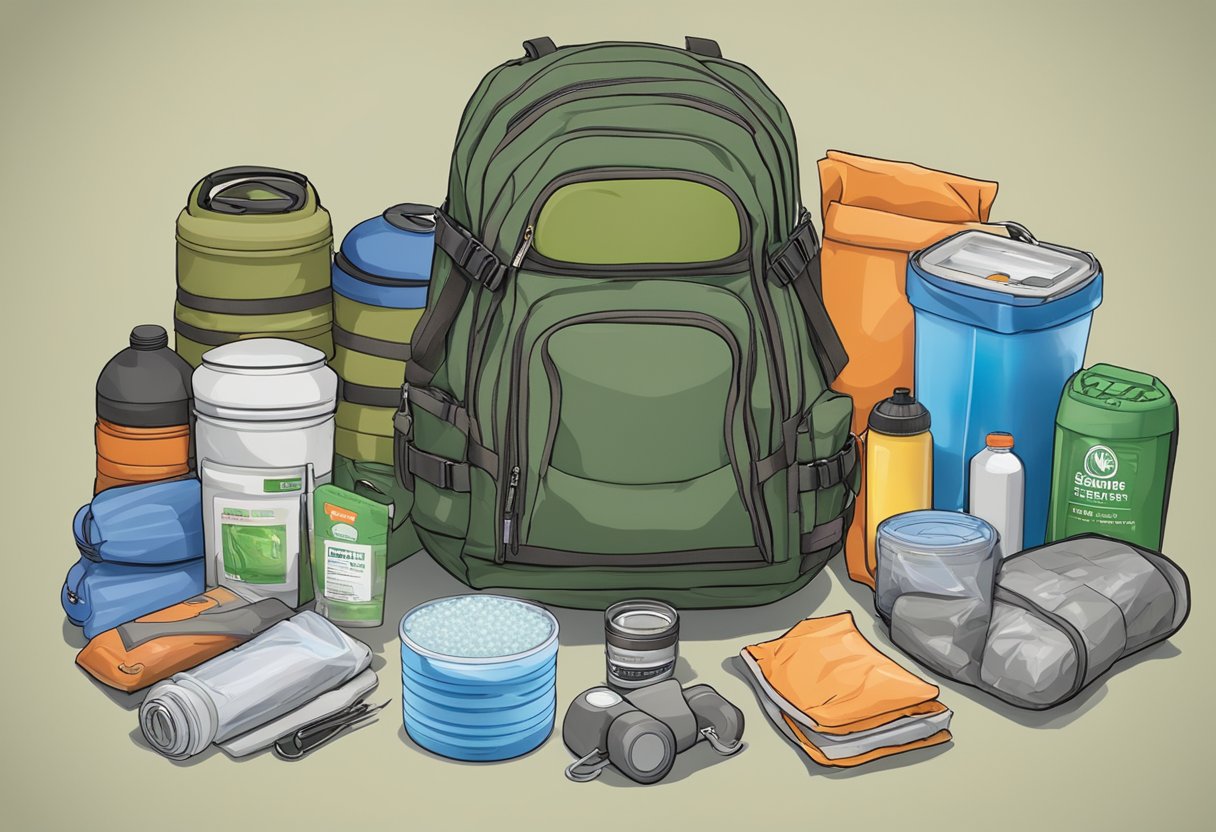
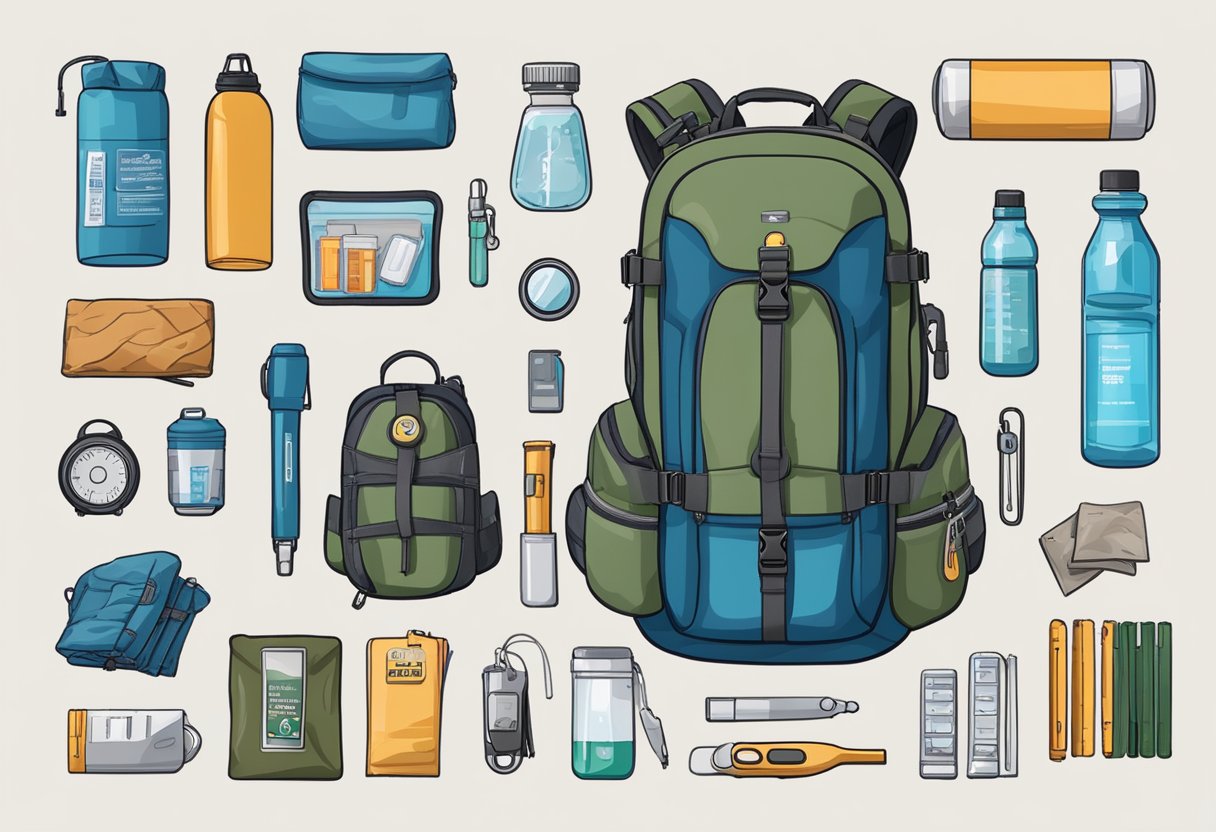
When disaster strikes, you'll need more than just a plan — you'll need supplies. A complete disaster supplies kit covers every essential category your household depends on. Use waterproof storage containers to protect your gear from moisture damage. Your kit should be easy-to-carry so it can be used both at home and in evacuation scenarios.
Your kit should include:
- Water and food: One gallon per person daily, plus non-perishable items and a manual can opener
- Medical supplies: A stocked first-aid kit, a seven-day prescription supply, and bleach for water purification
- Tools and communication: A hand-crank radio, flashlights, a whistle, and a communication plan for reaching family members
- Hygiene and comfort: Soap, sanitation supplies, emergency blankets, and climate-appropriate clothing
Review and restock your kit every six months to keep everything current and functional.
Home Safety Fixes to Handle Before Disaster Strikes
Preparedness extends beyond emergency supplies. The home itself should be capable of withstanding common threats whenever possible. While stockpiling food, water, and emergency gear is important, those resources may offer limited value if the structure protecting them is vulnerable to damage. A well-maintained home provides the foundation for every other preparedness effort.
Start by conducting regular inspections of critical areas around the property. Check doors and windows for weak points, inspect roofing materials for damage, and ensure drainage systems direct water away from the home's foundation. Secure heavy furniture, water heaters, and appliances that could become hazards during earthquakes or severe storms. Smoke detectors and carbon monoxide alarms should be tested regularly.
Small improvements completed in advance often provide significant benefits during emergencies. Reinforcing a garage door, trimming trees near the roofline, installing storm shutters, or waterproofing vulnerable areas can prevent costly damage later. Many preparedness experts emphasize that strengthening a home's physical resilience is just as important as building emergency supplies because a safer home provides protection long before disaster recovery begins.
First Aid, CPR, and Community Skills Every Prepper Needs
Knowing first aid, CPR, and community emergency skills can mean the difference between life and death when professional help is hours—or days—away. Stock your kit with bandages, tourniquets, clotting agents, and nitrile gloves. Then build the skills to use them.
Prioritize these core competencies:
- Bleeding control: Apply tourniquets, direct pressure, or hemostatic dressings immediately
- Wilderness triage: Recognize shock, dehydration, and infection before they become fatal
- CPR techniques: Master conventional CPR, hands-only CPR, and pediatric CPR for different victims
- Airway emergencies: Execute the Heimlich maneuver correctly—brain cells die within five minutes without oxygen
Complete a certified First Aid/CPR course, learn stroke recognition using the FAST method, and keep emergency reference guides accessible. During disasters, hospitals can be overwhelmed or entirely inaccessible, making your personal first aid knowledge the only immediate resource available.
Fall and Winter Readiness Before Cold Weather Arrives
As temperatures begin to drop, preparedness priorities shift toward winter conditions. Fall is the ideal time to address heating systems, winter emergency supplies, and seasonal risks before severe weather arrives. Waiting until the first major storm is forecast often means competing with others for supplies and services.
Inspect furnaces, fireplaces, chimneys, and backup heating systems before they are needed. Replace air filters, schedule maintenance if necessary, and test smoke and carbon monoxide detectors throughout the home. Winter clothing, blankets, and cold-weather gear should be organized and easy to access. Vehicle emergency kits also deserve attention, with extra blankets, flashlights, gloves, food, water, and traction aids added before winter travel becomes necessary.
Winter storms can create extended interruptions to transportation, power, and communication systems. Preparing in advance helps reduce stress when conditions deteriorate unexpectedly. By using the fall months to strengthen household readiness, families can enter winter with greater confidence and avoid the last-minute rush that often accompanies severe weather warnings.
How to Sustain Your Preparedness Routine Beyond January
One of the biggest challenges in preparedness is maintaining momentum. Many households begin the year with ambitious goals but gradually lose focus as everyday responsibilities take priority. Long-term preparedness succeeds when it becomes part of a routine rather than a short-lived project driven by temporary motivation.
The key is consistency rather than perfection. Assign one preparedness theme to each month and focus on steady progress instead of dramatic changes. One month might emphasize food storage, while another focuses on emergency communications, first aid training, home maintenance, or financial preparedness.
Preparedness should also remain flexible. Family circumstances change, new risks emerge, and priorities evolve over time. Regular reviews help ensure that plans remain practical and relevant rather than becoming outdated. The most resilient households are not necessarily those with the largest stockpiles, but those that consistently practice skills, maintain supplies, and adapt their plans to meet changing needs year after year.
Conclusion
Preparedness works best when it becomes part of everyday life rather than a reaction to crisis. A year-round preparedness calendar allows households to spread responsibilities across the entire year, making readiness more achievable and less stressful.
The goal of preparedness is not to predict every possible disaster but to build confidence, resilience, and adaptability. By approaching preparedness as an ongoing process rather than a one-time project, survival-minded households can create systems that support their families through both everyday disruptions and larger emergencies alike.
Related posts