Outdoor Survival Challenges in Texas: Heat, Weather, and Terrain
You’ll face three major challenges when spending time outdoors in Texas: extreme heat, rapidly changing weather, and diverse terrain. Summer temperatures can exceed 100°F, storms can develop quickly, and landscapes range from rocky Hill Country to flat prairies and coastal waterways. Understanding how these hazards interact—and recognizing early warning signs—can make the difference between a manageable situation and a dangerous one.
What Makes Texas Outdoor Risks Different From Anywhere Else?
Texas experiences a wide range of weather events, including heat waves, flash floods, severe storms, and occasional hurricanes, depending on the region. Its size and geographic diversity create conditions where weather can shift quickly within a single day.
You may encounter drought conditions followed by sudden heavy rainfall, especially in Central and South Texas. These swings affect water availability, trail conditions, and overall safety.
Wildlife hazards also vary by region, from venomous snakes and insects to feral hogs in rural areas. While risks are manageable with preparation, Texas requires more situational awareness than many other states due to its climate extremes and terrain diversity.
What Texas Heat Does to Your Body in 30 Minutes
Heat is one of the most immediate risks outdoors. While severe heat illness varies by person and conditions, prolonged exposure can quickly affect your body’s ability to regulate temperature.
| Time Exposure | Physical Response |
| 0–10 min | Sweating increases; heart rate rises |
| 10–20 min | Fatigue, thirst, and elevated body temperature |
| 20–30 min | Dizziness, cramps, and reduced coordination |
| 30+ min | Risk of heat exhaustion without cooling |
Factors like humidity, hydration level, and physical activity all influence how quickly symptoms develop. Early warning signs should never be ignored.
Heat Exhaustion vs Heat Stroke: Symptoms That Save Lives
Recognizing the difference between heat exhaustion and heat stroke is critical.
Heat Exhaustion:
- Heavy sweating
- Pale, clammy skin
- कमज dizziness or nausea
- Body temperature typically below 104°F
Heat Stroke:
- Body temperature above 104°F
- Confusion or altered mental state
- Hot, dry or sometimes still sweaty skin
- Possible unconsciousness
Heat stroke is a medical emergency. Call 911 immediately if symptoms appear.
Treating Heat Injuries Before Emergency Services Arrive
If someone shows signs of severe heat illness, act quickly:
- Move them to shade or a cooler area
- Remove excess clothing
- Cool the body with water, ice packs, or wet cloths
- Focus on cooling the neck, armpits, and groin
- Offer small sips of water only if the person is conscious
Cold water immersion is highly effective when available, but any rapid cooling method helps reduce risk. Immediate action can prevent serious complications.
Water Hazards: Rivers, Flooding, and Outdoor Safety
Water-related incidents are a leading cause of outdoor emergencies. Fast-moving water, sudden drop-offs, and flash flooding create dangerous conditions, especially in Central Texas.
Key safety points:
- Avoid entering floodwaters—just a few inches of moving water can sweep you off your feet
- Wear life jackets when tubing, kayaking, or boating
- Be cautious at low-water crossings and riverbanks
- Monitor weather conditions before heading near waterways
Popular rivers like the Guadalupe, Brazos, and San Marcos attract thousands of visitors, but changing water levels require constant awareness.
Surviving Texas Water Emergencies: Currents, Submersion, and Rescue
Flash floods can occur quickly after heavy rainfall, even miles upstream. Move to higher ground immediately if water levels begin rising.
If caught in moving water:
- Stay calm and avoid fighting strong currents
- Float on your back with feet pointed downstream if possible
- Look for opportunities to move toward shore safely
Never attempt to drive through flooded roads. Most flood-related fatalities involve vehicles.
Your Texas Survival Gear Checklist by Season
Your gear should match Texas’s seasonal conditions.
Year-Round Essentials:
- Water supply (at least 1 gallon per person per day)
- Navigation tools (map, compass, GPS device)
- First-aid kit
- Flashlight or headlamp
- Emergency whistle
Summer Additions:
- Sunscreen and sun protection clothing
- Electrolyte supplements
- Lightweight, breathable clothing
Winter Additions (especially North and West Texas):
- Insulating layers
- Windproof outerwear
Adjust your gear based on location and expected weather conditions.
Hill Country vs Prairies: How Regional Hazards Change Your Strategy
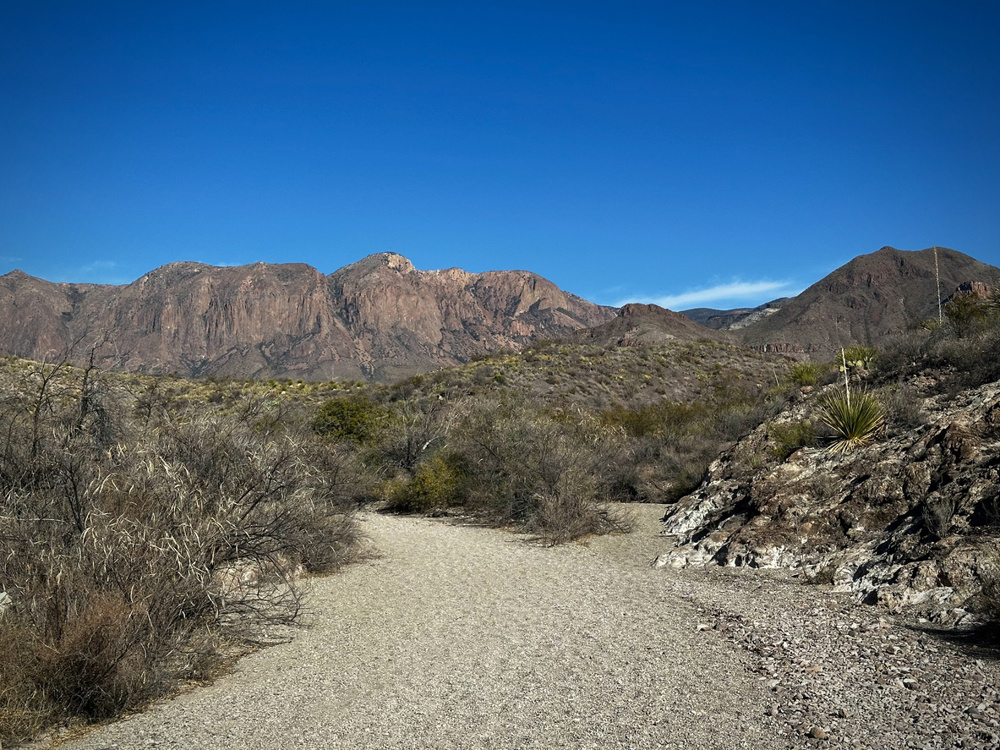
Texas regions present different survival challenges.
Hill Country:
- Rocky terrain and uneven footing
- Flash flood risk in narrow canyons
- Moderate elevation changes
Prairies and Plains:
- Limited shade and extreme heat exposure
- Fewer landmarks for navigation
- Strong winds and open terrain
Understanding your environment helps you prepare appropriately and avoid unnecessary risks.
Terrain Red Flags That Warn You Before Falls Happen
Pay attention to visual cues that indicate unstable ground:
- Loose rocks or crumbling limestone
- Steep slopes or sudden elevation changes
- Wet or muddy surfaces near water
- Faint or disappearing trails
Careful footing and slower movement reduce the risk of injury, especially on unfamiliar trails.
When Your Situation Becomes a Search and Rescue Emergency
Outdoor incidents can escalate quickly. Seek help or initiate emergency response if you experience:
- Serious injury or inability to move
- Severe dehydration or heat illness
- Becoming lost without navigation tools
- Rapidly worsening weather conditions
Texas search and rescue teams operate statewide, but response times vary depending on location. Staying prepared and making early decisions can prevent situations from becoming life-threatening.