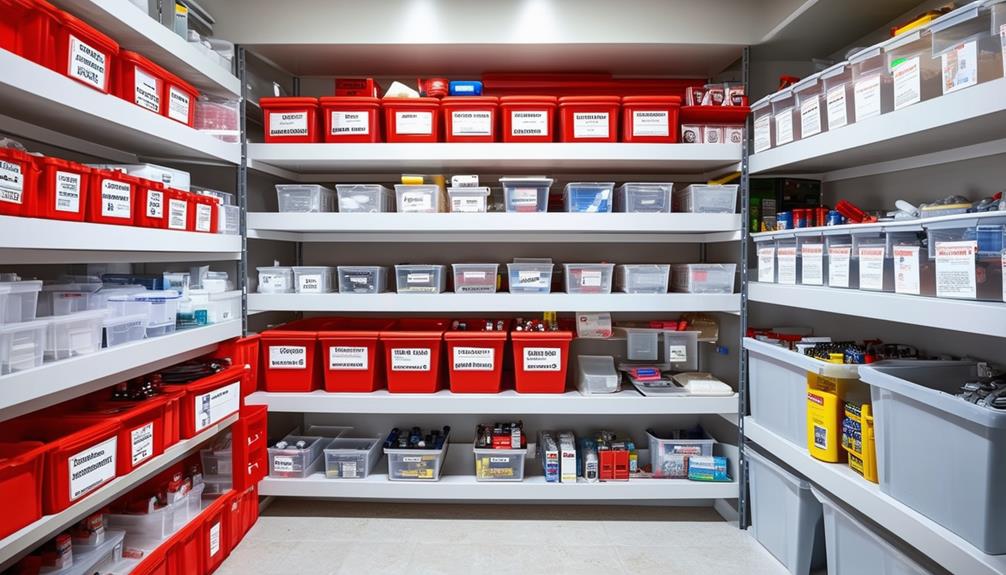
Austin Infrastructure Problems: Water Risks, Failures, and Emergency Alerts Explained
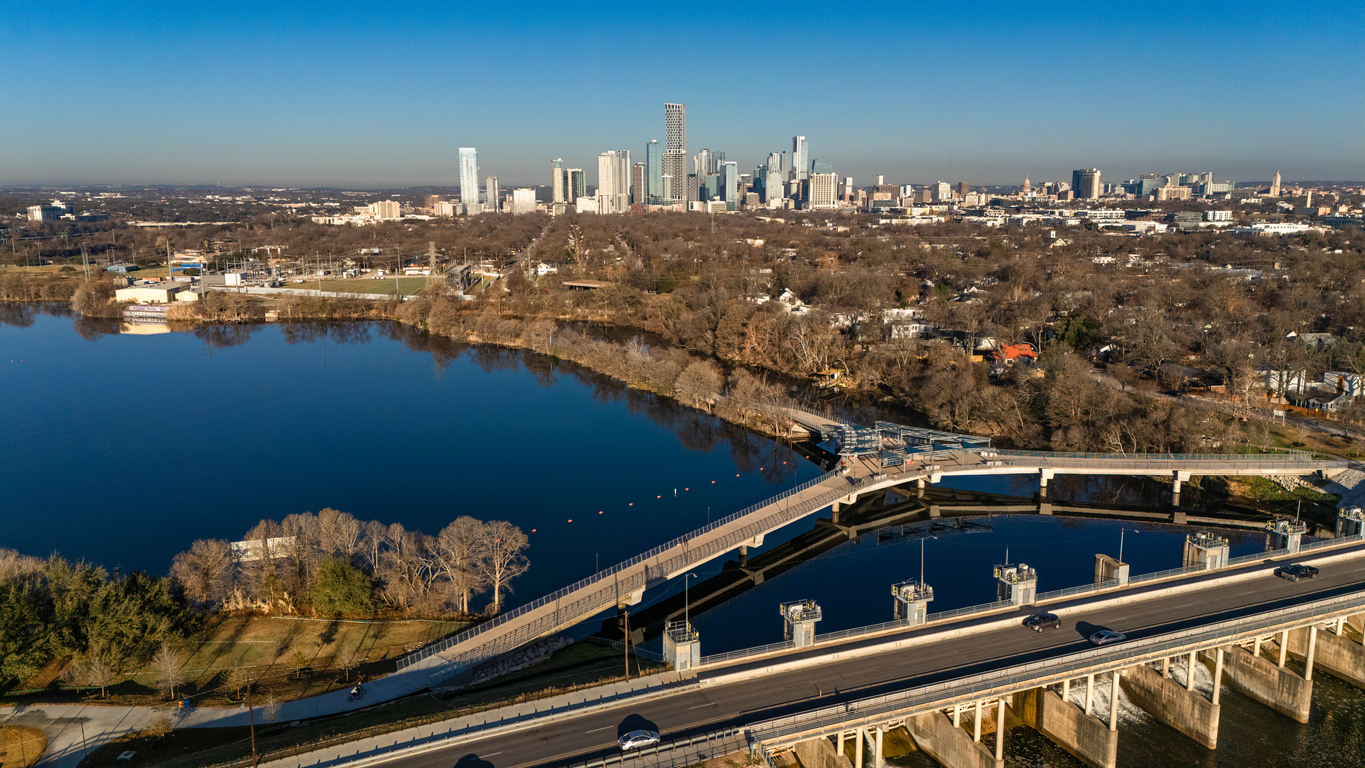
Austin’s infrastructure challenges—particularly in water systems and emergency preparedness—have drawn increased attention in recent years. Events like Winter Storm Uri in 2021 exposed vulnerabilities in both the electrical grid and water treatment systems, while ongoing drought conditions continue to test the region’s long-term water supply planning.
Although Austin maintains a relatively strong utility system compared to many U.S. cities, aging infrastructure, population growth, and climate variability all contribute to ongoing risk. Understanding how these factors intersect helps residents and property owners make more informed decisions.
How Austin’s Infrastructure Evolved Over Time
Austin’s infrastructure was originally designed for a much smaller city, with early water and utility systems built to serve a limited population centered around government, the University of Texas, and surrounding neighborhoods. As Austin grew rapidly in the late 20th and early 21st centuries, these systems expanded, but not always at the same pace as population growth.
Today, Austin is one of the fastest-growing major cities in the United States, and that growth has placed increased pressure on water systems, drainage networks, and energy infrastructure. While ongoing investments have modernized parts of the system, some components—especially older pipes and drainage systems—still reflect earlier design standards.
This combination of aging infrastructure and rapid expansion helps explain why localized failures and system strain can occur, particularly during extreme weather events.
Austin’s Water Supply and Reservoir Conditions
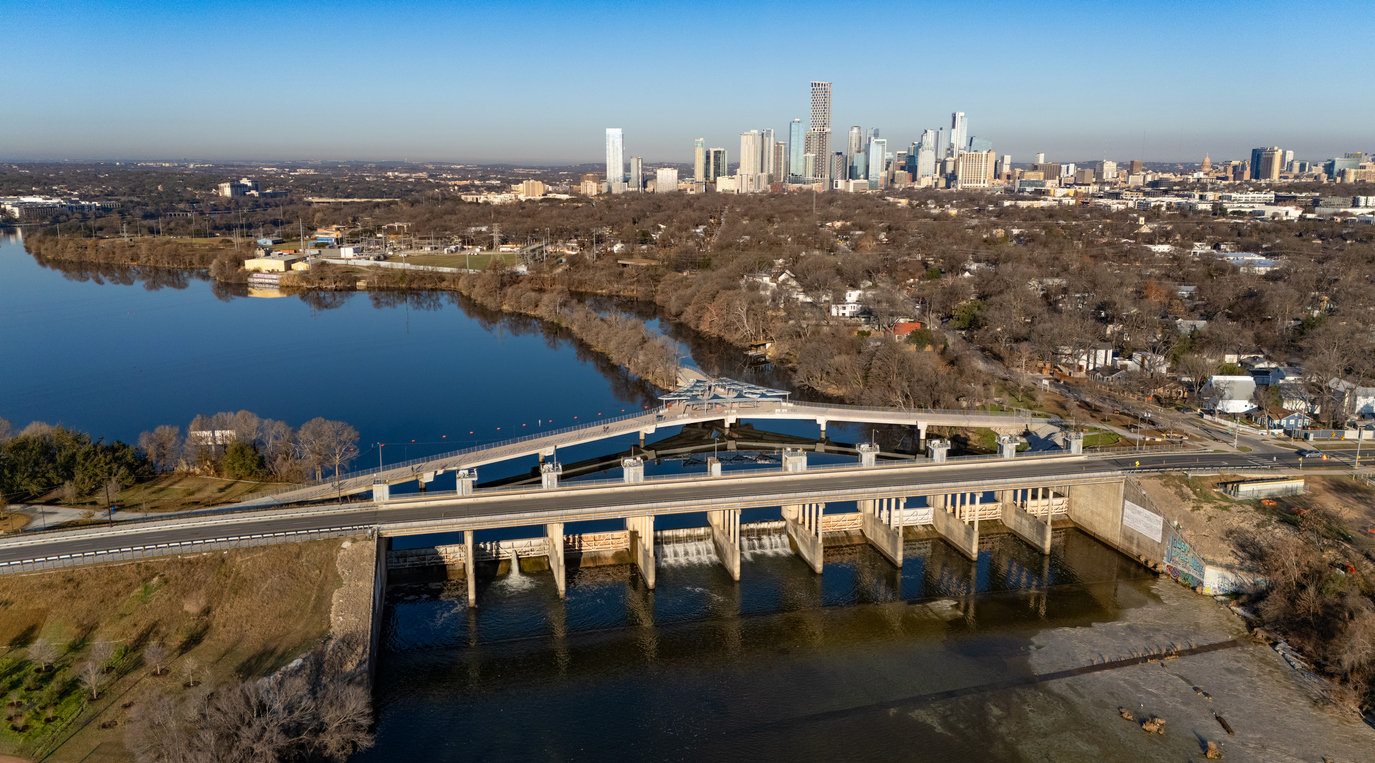
Austin’s primary water supply comes from the Highland Lakes system, including Lake Travis and Lake Buchanan, managed by the Lower Colorado River Authority (LCRA). These reservoirs fluctuate based on rainfall, upstream inflows, and regional drought conditions.
During extended dry periods, lake levels can drop significantly, triggering conservation measures. The LCRA typically initiates drought response stages based on combined storage levels, with thresholds such as 900,000 acre-feet and below used for more restrictive measures.
Population growth across Central Texas continues to increase demand, but long-term planning efforts—such as the Water Forward plan—focus on diversification, reuse, and conservation to maintain supply stability.
Water Loss and Aging Infrastructure in Austin
Austin Water’s aging infrastructure continues to drive system losses, with leaks and inefficiencies compounding over time—issues that also show up at the household level, where plumbing failures and hidden leaks can significantly increase water usage and costs.
Pipe failures do occur each year, particularly during extreme weather, but there is no widely verified figure supporting 370 annual main failures exceeding industry standards at that ratio. Still, aging pipes—some decades old—require ongoing replacement and maintenance.
Programs such as Renewing Austin focus on replacing older water lines and improving system reliability. These efforts are gradual and targeted, prioritizing high-risk areas.
Water Conservation Stages and Restrictions
Austin enforces staged water restrictions based on lake levels and system demand. These stages are coordinated with LCRA guidelines and aim to reduce consumption during drought conditions.
- Stage 1 typically limits watering schedules and promotes voluntary conservation
- Stage 2 introduces stricter outdoor watering limits and enforcement
- Stage 3 and beyond can significantly restrict non-essential water use
Specific schedules and enforcement measures can change, so residents are encouraged to follow Austin Water’s official updates for current rules. Fines and enforcement mechanisms do exist, but policies are adjusted depending on drought severity and compliance levels.
Desalination and Long-Term Water Planning
The original reference to a $1.2 billion desalination project in Austin is inaccurate. While desalination has been discussed in Texas water planning—primarily for coastal or brackish groundwater regions—Austin’s long-term strategy focuses more heavily on water reuse, conservation, aquifer storage, and demand management.
The city’s Water Forward plan outlines a diversified approach, including reclaimed water systems and aquifer storage and recovery (ASR).
Infrastructure Risks and Service Disruptions
Water service interruptions in Austin are typically caused by localized issues, such as:
- Water main breaks
- Construction-related disruptions
- Equipment failures at treatment or pumping facilities
While widespread outages are rare, localized disruptions can affect neighborhoods temporarily. The city continues investing in monitoring technologies and maintenance programs to reduce these risks.
Water Rates and Cost of Living
Austin periodically adjusts water rates to fund infrastructure improvements and system maintenance. Rate increases are approved through city council processes and based on cost-of-service studies.
These changes can impact both homeowners and renters, particularly in multi-family housing where utilities are bundled into rent. Assistance programs are available for qualifying households, helping offset increases for lower-income residents.
The 2021 Winter Storm and Infrastructure Lessons
Winter Storm Uri (February 2021) remains one of the most significant infrastructure failures in Texas history. The event caused widespread power outages across the state, which in turn affected water treatment and distribution systems.
In Austin, many residents experienced water outages, low pressure, or boil-water notices due to power loss and system strain. While treatment plants generally had backup systems, the scale of the grid failure still disrupted operations.
Statewide, the storm resulted in hundreds of deaths and tens of billions of dollars in damages, highlighting the interdependence of energy and water infrastructure.
Infrastructure Replacement and Long-Term Planning
Austin continues to invest in long-term infrastructure improvements through programs like Renewing Austin and broader capital improvement plans. These efforts include:
- Replacing aging water lines
- Upgrading treatment facilities
- Expanding reclaimed water systems
- Improving system monitoring and leak detection
The city prioritizes projects based on risk, condition, and service impact.
Real Estate Considerations and Water Reliability
Water infrastructure is one of many factors influencing Austin’s real estate market. While long-term water planning remains a priority, current systems continue to support population growth and development.
Buyers and property owners should consider:
- Local infrastructure age and maintenance activity
- Potential for temporary service disruptions
- Long-term utility cost trends
- City investment in resilience and sustainability
Austin’s proactive planning efforts position it relatively well compared to other rapidly growing regions, though continued investment will be necessary to maintain reliability.
Conclusion
Austin’s infrastructure challenges are real, but they are also actively being addressed through planning, investment, and policy adjustments. Water supply, aging systems, and emergency preparedness all require ongoing attention, especially as the city continues to grow.
For residents and prospective buyers, staying informed about infrastructure conditions and city initiatives is key. While risks exist, Austin’s long-term strategy reflects a commitment to maintaining reliable services in the face of changing environmental and population pressures.
Related posts