Interesting Facts About Bug-Out Bags and What People Get Wrong
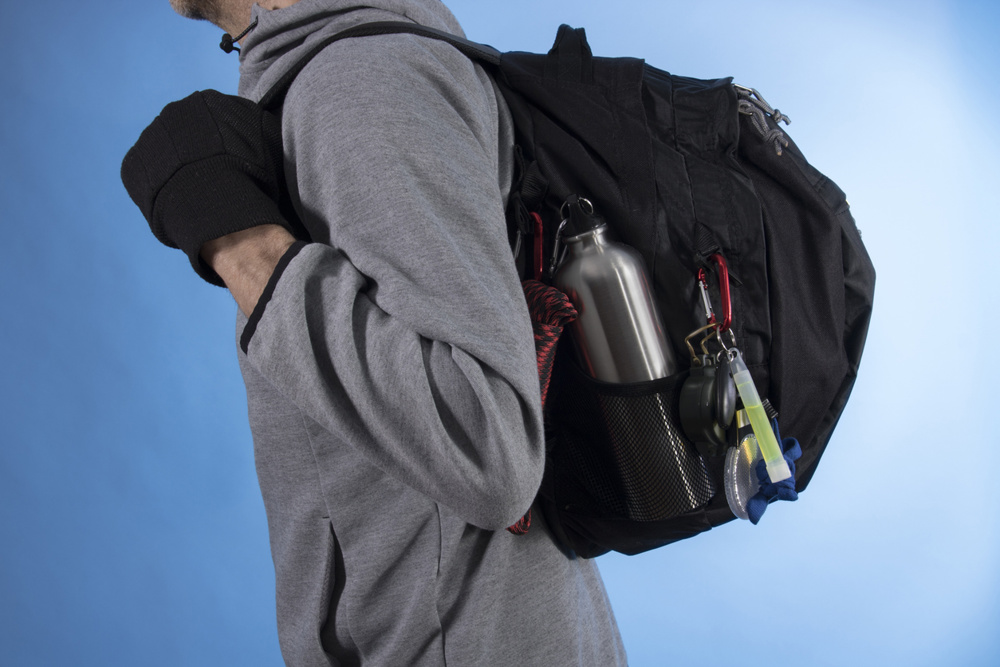
Most people imagine a bug-out bag as a backpack stuffed with survival gear, knives, and enough supplies to live off the grid for weeks. In reality, the biggest mistake isn't having too little gear—it's carrying too much of the wrong kind.
A bug-out bag is designed to help you get from danger to safety, yet countless myths continue to shape how people build them. From overloaded packs and poor food choices to shelter gaps and unrealistic expectations, there are plenty of misconceptions that can turn a useful emergency tool into a liability. Here are some of the most interesting facts about bug-out bags—and what people still get wrong about them.
What a Bug-Out Bag Is Actually For
A bug-out bag is a portable emergency kit designed to support you for approximately 72 hours when circumstances force you to leave home quickly. It is intended for realistic emergencies such as hurricanes, floods, wildfires, severe storms, infrastructure failures, or other situations that make remaining in place unsafe. The goal is not long-term wilderness survival but safe movement from a dangerous location to a safer one.
Understanding the purpose of a bug-out bag is important because many people build them around unrealistic scenarios. Movies, television, and internet discussions often portray evacuation as a dramatic trek through the wilderness. In reality, most evacuations involve traveling to a hotel, shelter, friend’s house, or another populated location. Your bag should reflect those likely circumstances rather than fictional survival adventures.
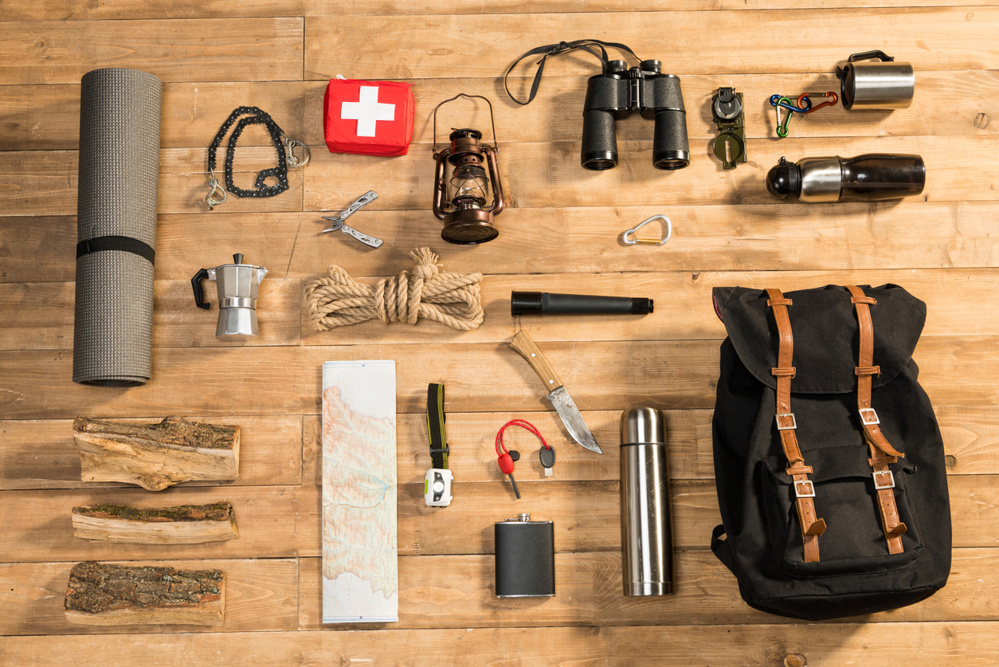
A well-designed bug-out bag focuses on mobility and essential needs. Water, shelter, food, first aid supplies, important documents, communication tools, and basic clothing matter far more than specialized gear that may never be used. Every item should serve a clear purpose and contribute to helping you reach safety efficiently.
The Psychology of Evacuation and Why People Freeze
One of the biggest challenges during emergencies is not a lack of supplies but a lack of action. Many people delay evacuation because they underestimate the severity of a situation or assume conditions will improve. Others become overwhelmed by uncertainty and struggle to make decisions under pressure.
Stress affects judgment in powerful ways. During emergencies, people often seek additional information rather than acting immediately. This tendency can create dangerous delays when every minute matters. Having a bug-out bag prepared in advance removes one major obstacle and allows you to focus on making decisions rather than gathering supplies.
Practice helps reduce hesitation. Knowing where your bag is stored, understanding evacuation routes, and discussing emergency plans with family members creates familiarity that can be invaluable during stressful situations. Preparedness is not just about equipment; it is also about reducing uncertainty so action becomes easier when conditions deteriorate.
The Myth That Gets People Killed When It Matters
Most dangerous bug-out bag mistakes stem from misconceptions rather than a lack of gear. Popular survival culture often encourages people to prepare for highly unlikely situations while overlooking the risks they are most likely to face. This creates bags filled with impressive equipment but lacking critical necessities that are far more likely to be needed during a real evacuation.
One of the most persistent myths is that a bug-out bag should prepare you for indefinite survival in the wilderness. In reality, most evacuations involve getting from an unsafe location to a safer one, not disappearing into the woods for weeks at a time. Another common misconception is that specialized survival tools deserve priority over essentials such as medical supplies, water treatment, navigation aids, and emergency documents.
The result is that many people carry too much gear while still missing critical items. Preparedness works best when it focuses on realistic risks and practical needs rather than worst-case fantasies. Building a bag around evidence instead of imagination helps ensure it remains lightweight, useful, and capable of supporting the one thing that matters most during an emergency: reaching safety.
Why People Overpack Their Bug-Out Bags
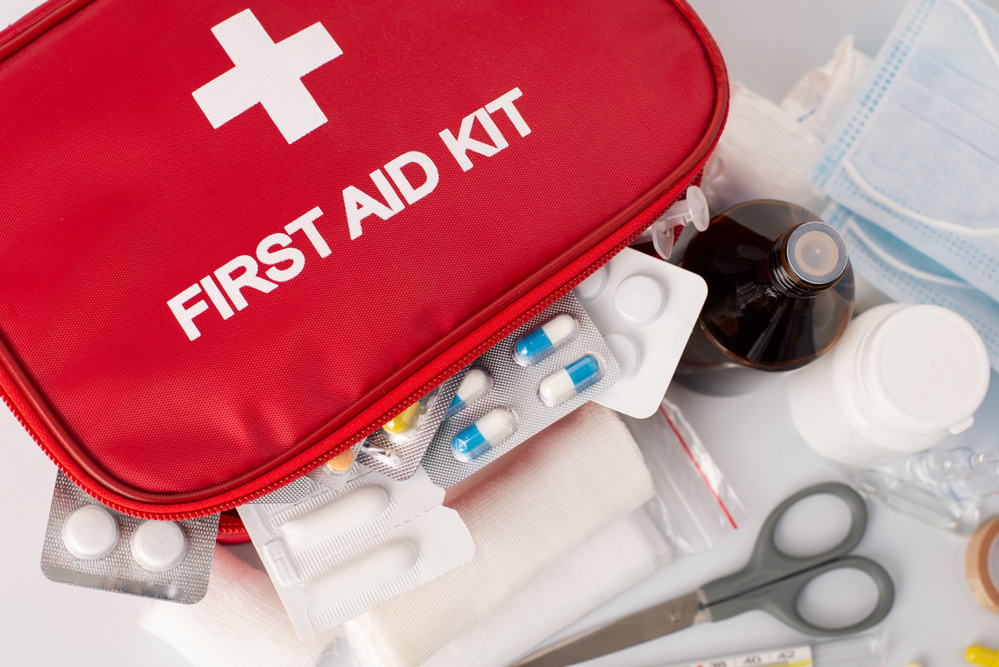
Overpacking is one of the most common mistakes people make when building bug-out bags. The temptation comes from the belief that every possible problem requires its own dedicated piece of equipment. Before long, a simple emergency kit becomes overloaded with gear that adds weight without adding meaningful value.
Fear plays a major role in this process. People imagine unlikely scenarios and pack items designed for situations they may never encounter. Marketing also contributes to the problem by promoting specialized tools as essential purchases. While many of these products are useful under specific circumstances, carrying too many of them reduces mobility and increases fatigue.
A better approach is to prioritize versatility. Multi-use items that address several needs at once are often more valuable than multiple single-purpose tools. Every item should justify its weight and space by contributing directly to survival, comfort, or mobility.
Urban Bug-Out Bags vs. Wilderness Bug-Out Bags
Where you're headed when disaster strikes determines everything about how you should pack. Urban bug-out bags prioritize concealment strategies — think discreet bags, downplayed appearances, and compact gear that won't attract predators or thieves. You'll want city maps for route planning amid shifting dangers, a rugged tomahawk over a large knife, and quick access to critical items. Tacticool packs invite trouble in cities, so blend in.
Wilderness bags operate differently. You're packing for extended survival, which means fire-starting kits, a large knife for batoning and shelter-building, and a 55L backpack for long-distance treks. Sleeping bags rated below anticipated temperatures and heavy-duty fabrics keep you alive through exposure.
Mixing these strategies is where people go wrong — your environment dictates your gear, not the other way around. Urban bags are also designed to sustain you through scenarios like civil unrest and natural disasters where evacuation windows can be measured in minutes.
Step deeper into the world of survival-mentality with more fascinating facts and trivia.
How Heavy Your Bug-Out Bag Should Be and Why Size Drives That Answer
Once you've matched your bag's contents to your environment, the next question is how much that bag should weigh — and the answer starts with the bag's size. Capacity limits drive pack weight by controlling how much you can carry in the first place. Your fitness level determines your personal ceiling:
- Poor fitness: 10% of body weight
- Average fitness: 15% of body weight
- Good fitness: 20% of body weight
- Elite fitness: up to 30% of body weight
- Health conditions or mobility issues: stay under 20–25 pounds
A 30–40-liter pack enforces these capacity limits naturally, preventing overpacking. Larger bags fill with unnecessary items, pushing pack weight beyond what you can sustain. Test your limit by hiking with a loaded pack before committing to a final setup. Exceeding your weight threshold doesn't just slow you down physically — a heavy pack can impair your situational awareness and decision-making when it matters most.
Water and Food Mistakes That Will End Your Bug-Out Early
Water remains the most important resource in any bug-out scenario. Without adequate hydration, physical performance and decision-making deteriorate rapidly. Carrying some water is essential, but so is having the ability to obtain and purify additional supplies when needed.
Food is important, but many people devote too much weight to it while neglecting water. Lightweight, calorie-dense foods are often the best choice for short-term evacuations. Energy bars, trail mixes, dehydrated meals, and shelf-stable snacks provide substantial nutrition without consuming excessive space.
The goal is sustainability rather than abundance. A bug-out bag should support movement and short-term survival, not function as a mobile pantry. Most evacuations last days rather than weeks, which means carrying enough calories to stay functional matters far more than preparing elaborate meals. Once your hydration and nutrition needs are covered, the next priority becomes protection from the environment itself.
The Shelter Gap Most Bug-Out Bags Never Close
Even if your water supply and food rations are solid, exposure can kill you just as fast if your shelter setup fails. Most bug-out bags carry one shelter option, which creates a dangerous single point of failure. Shelter redundancy and tarp education close that gap fast.
Here's what most people overlook:
- Full tents are too heavy and bulky for mobile emergencies
- Lightweight tarps offer protection without sacrificing pack space
- Ponchos serve dual roles as clothing and emergency shelter
- Waterproofing your gear with freezer bags keeps shelter systems functional
- Desert and water-adjacent environments demand location-specific shelter planning
Your shelter system should match your geography, family size, and a 72-hour planning window. One failed tent shouldn't end your bug-out before it starts. Self-reliance through preparation is what separates a survivalist from someone simply waiting to be rescued.
Clothing Your Bug-Out Bag Needs and What to Skip
Clothing choices can make or break your bug-out bag before you ever leave your front door. Layer versatility determines how well you'll handle shifting conditions, so prioritize pieces that serve multiple functions. A moisture-wicking base layer, mid-layer fleece, and waterproof outer shell cover most scenarios without excess bulk.
Convertible pants, a wool or synthetic hat, and one pair of quick-dry underwear round out the essentials. Material tradeoffs matter more than most people realize. Cotton absorbs moisture and chills your body fast, so eliminate it entirely. Wool and synthetics outperform it in nearly every situation, though synthetics carry higher flammability risk near open flames.
Limit yourself to one change of clothes. Packing multiple outfits wastes critical space you'll need for gear that actually keeps you alive. In sub-freezing conditions, mittens outperform gloves by retaining significantly more warmth around your fingers than separated digits ever could.
Tools That Earn a Place in Your Bug-Out Bag
Once you've stripped your clothing choices down to what actually works, apply the same discipline to your tools. Every item must justify its weight by serving multiple functions or filling a role you can't improvise. Prioritize these five categories:
- Multi-tool – Keep up with multi tool maintenance; a neglected blade fails when you need it most
- Paracord – Learn paracord splices to repair damaged cordage fast under pressure
- Fire starters – Carry redundant ignition sources since wet matches end your warmth options
- Water filtration – Filters extend your supply far beyond what you can carry
- Navigation tools – A compass and local maps work when your phone doesn't
These tools earn their place because you can't manufacture them from sticks and rocks. To keep everything functional and ready, run through your gear on a schedule and rotate supplies quarterly so nothing expires or degrades unnoticed.
The Complete Bug-Out Bag Packing Checklist
Rather than viewing a bug-out bag as a collection of gadgets, think of it as a system built around essential needs. Water, food, shelter, clothing, medical supplies, communication tools, identification documents, and basic equipment form the foundation.
Prioritize function over novelty. Every item should contribute to mobility, safety, or comfort during a short-term evacuation. Keep supplies organized, review them regularly, and replace expired items as needed.
The most effective bug-out bags are not the heaviest or most expensive. They are the ones designed around realistic emergencies, practical needs, and the ability to move quickly when circumstances demand action. If a piece of gear does not improve your ability to travel, stay safe, or solve a predictable problem, it probably doesn't belong in the bag.
Conclusion
A bug-out bag is ultimately about preparation, not survival fantasies. Its purpose is to help you leave dangerous situations safely and comfortably while providing enough support to reach a secure destination. When built around realistic needs rather than dramatic scenarios, a bug-out bag becomes one of the most valuable preparedness tools a household can own.
The biggest mistakes people make are usually not a lack of gear but misunderstandings about what a bug-out bag is supposed to accomplish. By focusing on mobility, essentials, and regular testing, you can build a kit that works when it matters most and avoid the myths that often lead people in the wrong direction.
Related posts