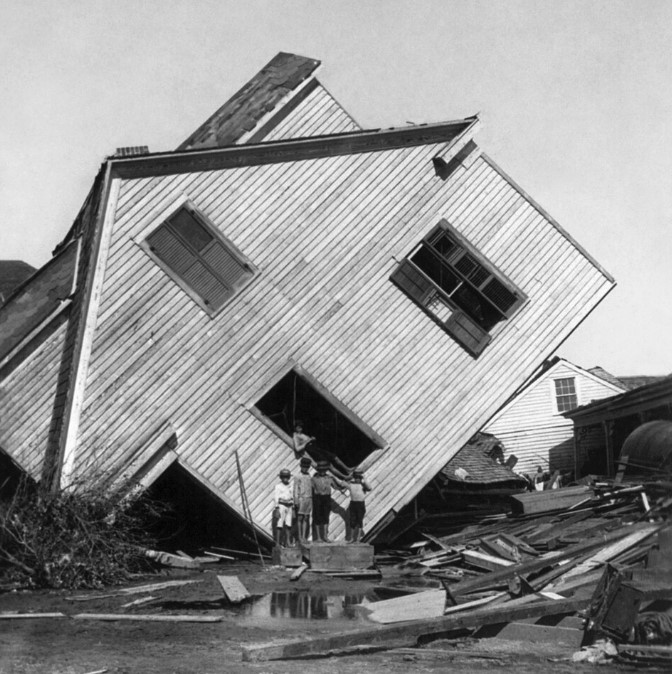
Historic Disasters in San Antonio and How the City Recovered
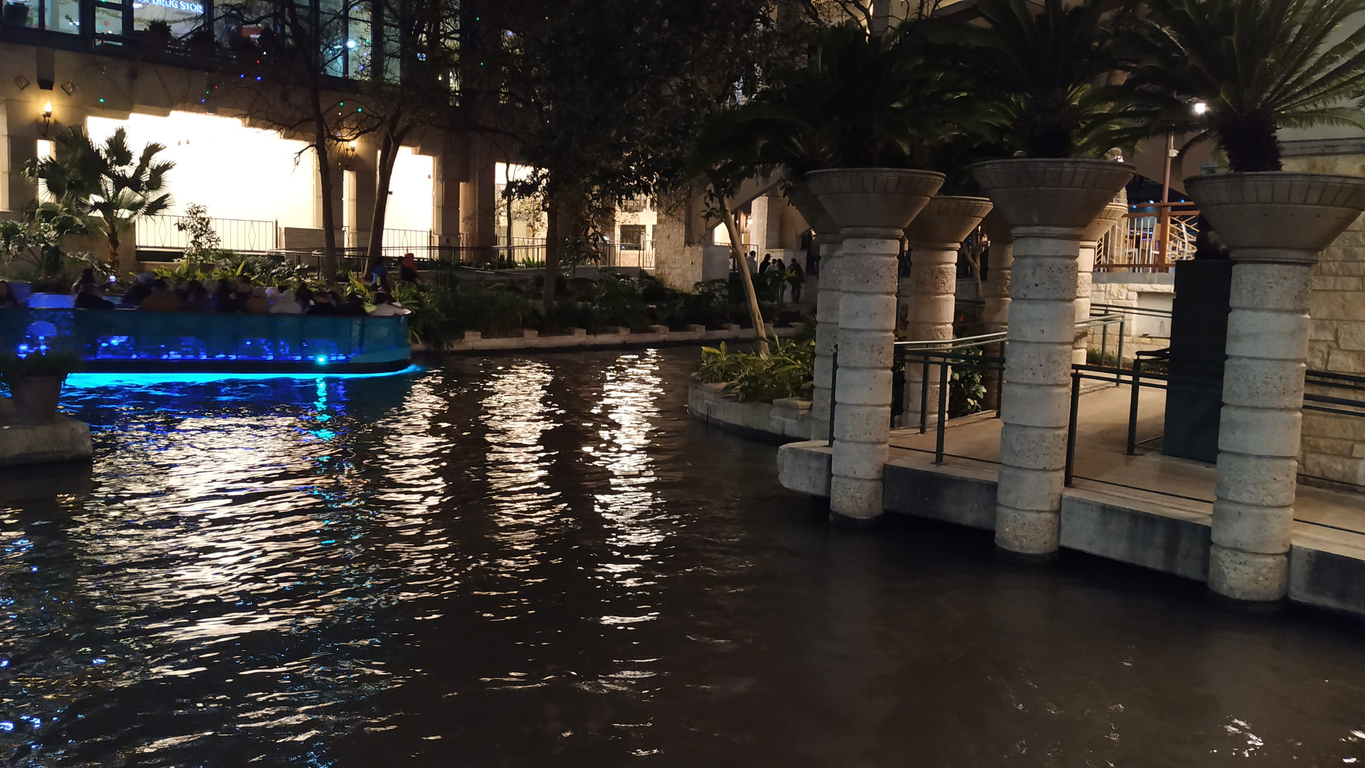
San Antonio’s history includes several devastating flood events, most notably the September 1921 flood, which remains one of the deadliest natural disasters in the city’s history. The catastrophe led to major infrastructure changes, including the construction of Olmos Dam and long-term flood control improvements. Despite these efforts, San Antonio remains vulnerable due to its location in “Flash Flood Alley,” where intense rainfall and fast-moving water can still create dangerous conditions. Over the past century, the city has continued to adapt through engineering projects, emergency planning, and watershed management systems.
Why San Antonio’s Geography Creates Deadly Flash Floods
San Antonio’s geography plays a critical role in its flood risk. The city sits near the Balcones Escarpment, a geological boundary that forces warm, moist Gulf air upward, triggering intense thunderstorms. Rainfall rates can exceed 2–3 inches per hour, especially during late spring and early fall storm systems. Combined with thin soils, limestone bedrock, and urban development, water runoff accumulates quickly rather than soaking into the ground. Urban expansion has increased impervious surfaces such as roads and parking lots, accelerating runoff into creeks and rivers. These conditions make San Antonio especially prone to rapid-onset flash flooding, often with little warning time for residents.
Flood-Prone Areas and Low-Water Crossings to Avoid
View this post on Instagram
San Antonio is known for its network of low-water crossings, which can quickly become dangerous during heavy rainfall. Visitors should be especially cautious near creeks and flood-prone corridors where water levels can rise within minutes. Areas to watch include:
- San Pedro Creek and Alazán Creek corridors – Historically prone to rapid flooding
- Loop 410 and Highway 90 crossings – Frequent flash flood closures during storms
- Leon Creek greenway areas – Popular trails that can flood after heavy rain
- Low-water crossings throughout Bexar County – Many roads are intentionally designed to allow water flow over them
Local officials emphasize the “Turn Around, Don’t Drown®” rule, as even a few inches of moving water can sweep vehicles off the road. Always avoid driving through flooded crossings, even if the water appears shallow.
The 1921 Flood That Killed Over 200 People in San Antonio
View this post on Instagram
Between September 8 and 10, 1921, remnants of a tropical system produced catastrophic rainfall across Central Texas. In San Antonio, intense downpours overwhelmed San Pedro Creek and Alazán Creek, flooding large portions of the city. Estimates vary, but more than 200 people lost their lives, with the heaviest impact in low-lying neighborhoods west of downtown. Rainfall totals in parts of the region exceeded 10 inches in a short period, causing water levels to rise rapidly and sweep through residential areas. Downtown businesses were inundated, transportation routes were destroyed, and thousands of residents were displaced. Property damage reached millions of dollars at the time, marking the disaster as one of the most destructive flood events in Texas history.
How San Antonio Built the Olmos Dam After 1921
In response to the 1921 disaster, city leaders prioritized flood control infrastructure to protect downtown and surrounding communities. Construction of Olmos Dam began in the mid-1920s and was completed in 1926. The dam serves as a flood detention structure, designed to temporarily hold stormwater and reduce downstream flooding along the San Antonio River. Key features include:
- Length: Approximately 1,900 feet
- Height: About 60 feet
- Purpose: Flood control rather than water supply
Today, Olmos Dam remains a central component of San Antonio’s flood management system, working alongside channel improvements and watershed projects to reduce risk during heavy storms.
Major Modern Flood Events and Ongoing Risk
View this post on Instagram
San Antonio has experienced several significant flood events since 1921, including regional floods in 1998 and 2002, which caused widespread damage across Central Texas. These storms reinforced the need for continued investment in drainage systems, floodplain management, and early warning systems. Flash flooding remains one of the city’s most serious natural hazards. Low-water crossings, which are common throughout the region, can quickly become impassable during heavy rain and are a leading cause of flood-related fatalities. City agencies and the San Antonio River Authority (SARA) have expanded flood control efforts through creek channel improvements, greenway projects, and stormwater infrastructure upgrades.
Why San Antonio’s West Side Faces Higher Flood Risk
Historically, flood impacts have been more severe in West Side neighborhoods, where several creeks converge and elevation is lower compared to other parts of the city. Areas near Alazán Creek, Martínez Creek, and San Pedro Creek have long experienced repeated flooding due to their proximity to natural drainage channels. Early development patterns placed residential communities close to these waterways, increasing exposure to flood hazards. Over time, infrastructure improvements have reduced some risks, but floodplain location and drainage limitations still make these areas more vulnerable during extreme rainfall events.
What a Century of Flooding Reveals About Climate Risk
More than a century of flood events shows that while infrastructure has improved, flood risk has not disappeared. Instead, changing weather patterns have led to more intense, short-duration storms, increasing the likelihood of flash flooding. Modern flood management combines engineering solutions with environmental approaches, including:
- Expanding green spaces to absorb runoff
- Improving drainage systems and retention basins
- Enhancing early warning systems and public awareness
These efforts help reduce risk, but continued growth and climate variability mean that preparedness remains essential for residents and visitors alike.
How San Antonio Compares to Other Texas Flood-Prone Cities
San Antonio shares flood risk characteristics with several other Texas cities located within Flash Flood Alley, but each region faces unique challenges.
- Austin experiences similar rapid runoff due to the Balcones Escarpment, with steep terrain increasing flood speed
- Houston faces widespread flooding due to flat terrain and bayou systems, often affecting larger geographic areas
- San Marcos and New Braunfels are highly vulnerable due to river proximity and sudden upstream rainfall
Compared to these cities, San Antonio’s risk is driven more by localized flash flooding and low-water crossings, rather than prolonged river flooding. This distinction shapes how the city approaches flood control and public safety.
Conclusion
San Antonio’s history of flooding highlights both the city’s vulnerability and its resilience. From the devastating 1921 flood to modern infrastructure improvements, the community has adapted through engineering, planning, and public safety initiatives. While flood control systems like Olmos Dam play a vital role, understanding the city’s geography and staying alert during severe weather remain key to reducing risk. San Antonio’s ongoing efforts reflect a long-term commitment to protecting lives while adapting to changing environmental conditions.