Houston’s Storm History and What It Teaches About Being Ready
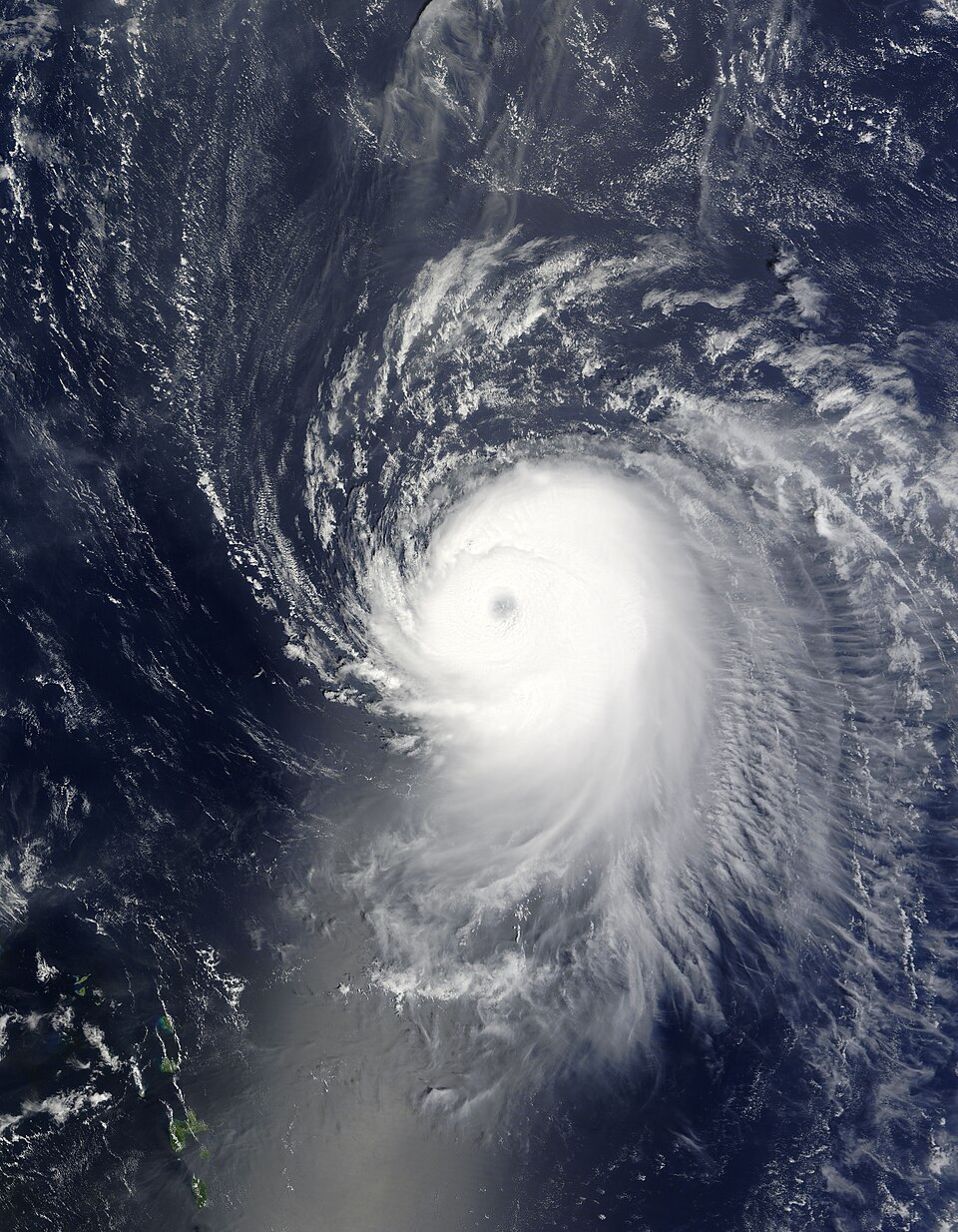
Houston's storm history reveals a century of devastating hurricanes and floods that demand serious preparation. Since the 1900 Galveston Hurricane, the region has faced repeated severe weather, with several of the wettest multi-month stretches occurring since the mid-2010s. August and September pose the greatest risk, with Hurricane Harvey’s extreme rainfall in 2017 showing how storms can linger longer and overwhelm drainage systems. Your preparation strategy must evolve as Houston's threat patterns intensify.
A Century of Hurricane Impact: Major Storms That Shaped Houston
The turbulent relationship between Houston and hurricanes spans well over a century, shaping both the city's landscape and its residents' resilience. Since the devastating 1900 Galveston Hurricane that killed thousands and reshaped the region, Houston has faced repeated reminders of its vulnerability to these powerful storms. The 1961 Hurricane Carla demonstrated how coastal surge and wind impacts can ripple far inland across Southeast Texas, even when the core landfall is down the coast. Hurricane Alicia's billions in damage in 1983 further exposed the city's susceptibility to high winds and structural damage. These historical events highlight Houston's dual challenge: managing coastal surge risk while addressing inland flooding risks that worsen when tropical systems stall, as evidenced by repeated catastrophic flooding throughout the region's history. Tropical Storm Allison in 2001 caused particularly severe damage to Houston's Central Business District, flooding cultural institutions and the Texas Medical Center.
Record-Breaking Rainfall: When the Skies Opened Over Southeast Texas
While Houston's historical hurricane encounters have shaped the region's storm identity, its relationship with rainfall has proven even more extraordinary. The region saw extraordinary totals in 2017, with Houston’s official observing sites reporting one of the wettest years on record. Hurricane Harvey epitomizes this extreme pattern, producing staggering rainfall totals across Southeast Texas, including areas that exceeded 50 inches, while many Houston locations recorded totals in the several-feet range. This devastating outcome was intensified by Harvey's slower forward speed, which allowed it to linger over the region for an extended period. What's most concerning is that Houston has experienced multiple exceptionally wet multi-month periods in recent years, with rainfall totals over time showing a clear upward drift. This new reality demands significant changes in the impact on urban planning, as infrastructure designed for yesterday's weather patterns can't handle today's intensifying downpours that increasingly turn streets into rivers.
The Hurricane Calendar: When Houston Faces Its Greatest Risk
View this post on Instagram
Understanding Houston's hurricane risk requires familiarity with the region's storm calendar, a predictable yet often underappreciated timeline that guides preparedness efforts. While the official season runs June through November, your highest vigilance should focus on mid-August through October, particularly in September, which is the climatological peak for Gulf Coast tropical activity. Major storms like Harvey (2017) and Ike (2008) struck during peak-season months. However, some of the most disruptive Texas Gulf Coast hurricanes and floods have also occurred in late summer, when Gulf warmth and atmospheric patterns can help systems intensify and stall. August ranks among the most active months for Gulf systems, and September often remains the highest-risk month overall. Early and late season months still warrant monitoring but pose lower statistical risk. Hurricane preparedness measures should intensify during this critical window, with public awareness campaigns timed to coincide with these established patterns rather than spreading resources evenly across the six-month season.
Measuring Fury: Wind Speeds and Intensity of Houston's Worst Hurricanes
When examining Houston's most devastating hurricanes, wind speed emerges as the critical metric that determines a storm's destructive potential. Hurricane Carla remains a benchmark storm for Texas, reaching Category 4 strength at landfall with sustained winds around 145 mph, and producing extreme gusts near the coast. These forces eclipsed even 1983's Hurricane Alicia (Category 3 at landfall) and 2017's Harvey (Category 4 at Texas landfall). Historical wind speed records can underrepresent actual conditions due to wind measurement limitations and equipment failures during peak intensity. During major storms, instruments can fail or be damaged, creating gaps in our understanding of true peak gusts, making preparation for worst-case scenarios essential. H urricane Harvey demonstrated the evolving nature of storm threats when it reached Category 4 intensity before making landfall on the Texas coast near San José Island.
Beyond Property Damage: The Human Toll of Houston's Storms
View this post on Instagram
Wind speed measurements only tell part of Houston's hurricane story—behind each data point lies a human narrative of suffering and survival. Hurricane Harvey's devastation went far beyond structural damage, claiming dozens of lives and leaving thousands traumatized. You'll see the disproportionate impacts on vulnerable populations when examining who suffered most—older adults and those with limited mobility faced heightened danger, especially during flash flooding. Floodwaters contaminated with sewage and chemicals created widespread public health emergencies. Mental health crises unfolded as communities faced displacement and trauma. Pre-existing medical conditions worsened due to healthcare disruptions. Most storm fatalities are tied to flooding—especially drownings in vehicles and homes—along with injuries from falling trees and debris. Long-term health consequences continued months after waters receded. Recovery requires addressing not just rebuilding structures but healing communities. The psychological toll remains an invisible disaster that continues long after headlines fade.
Evolving Threat Patterns: How Houston's Storm Risk Has Changed
Four major shifts have transformed Houston's storm risk landscape over recent decades, creating new challenges for residents and planners alike. First, heavy rainfall events have intensified, with climate projections showing a larger share of precipitation falling in downpours rather than steady rain. Second, evolving flood risks now extend far beyond FEMA's traditional maps, with many Harvey-flooded homes located outside the mapped 100-year floodplain. Third, the number of flood-prone properties is projected to rise as both development and rainfall intensity increase, expanding the footprint of risk across the region. The risk is particularly severe because flood exposure is widespread across many neighborhoods and watersheds that were not historically considered high-risk. Fourth, increasing drought periods can occur alongside flooding threats, creating compounding hazards that require new approaches to water management and emergency preparation for these contrasting extreme weather patterns.
Flood Control Infrastructure: Lessons From Past Failures and Successes
Houston's flood control infrastructure tells a complicated story of engineering ambition, policy shortcomings, and evolving approaches to water management. You've witnessed how the 1937 creation of HCFCD and construction of Addicks and Barker reservoirs initially built confidence but ultimately proved insufficient against unchecked development and extreme rainfall. Aging infrastructure from the 1940s-50s now struggles against modern urbanization and intensified storms. The conservation efforts led by Terry Hershey and others were crucial in preventing concrete intrusions along Buffalo Bayou. Pre-1985 developments remain especially vulnerable due to outdated stormwater systems. Extensive channelization in some areas reduced natural absorption capacity that could have mitigated flooding. Post-Harvey planning emphasizes regional coordination and ecological approaches. The path forward requires integrated infrastructure planning that balances engineered solutions with natural systems. The large annual investment needed highlights the critical funding gap that must be addressed for Houston's resilient future.
Building for Resilience: How Construction Standards Have Responded to Storms
Over decades, the construction standards in the Greater Houston area have undergone dramatic transformations in direct response to devastating storms. You'll find many jurisdictions now follow modern building codes and updated engineering standards for wind and flood resilience. These regulations often require improved energy performance and durability features, though retrofitting existing buildings is typically only triggered during major renovations. Houston's commitment to more sustainable structures aims to reduce building-related emissions while improving resilience. Following multiple extreme floods, several local rules and guidance updates have expanded detention, drainage requirements, and floodplain development restrictions in certain areas. Voluntary resilience programs and stronger roof/building-envelope practices are increasingly discussed, with some builders and homeowners pursuing higher standards than minimum code. New minimum standards elevate structures above flood levels while emphasizing water intrusion resistance, sustainable design, and indoor air quality—all integrated into Houston's broader resilience strategy addressing hurricanes, flooding, and extreme heat.
Community Preparation: Essential Steps Before the Next Hurricane Season
The cornerstone of hurricane survival in Houston lies in careful preparation long before storm clouds gather. You'll need to stockpile essentials including one gallon of water per person daily for at least a week, non-perishable food, and critical medications. Create a thorough emergency plan that includes neighborhood coordination and accessible shelter locations for all family members, including those with special needs. Seniors should make arrangements to evacuate with relatives when possible for additional support during emergencies.
- Prepare waterproof containers with important documents, cash, and emergency contact information
- Secure your property by clearing gutters, trimming weak branches, and installing window protection
- Maintain a two-week supply of medications and first aid supplies
- Assemble portable emergency kits with multi-purpose tools, clothing, and entertainment items
Don't wait until a storm threatens—maintain your supplies and regularly review your plans with family members.