Top Texas State Parks for Practicing Survival Skills
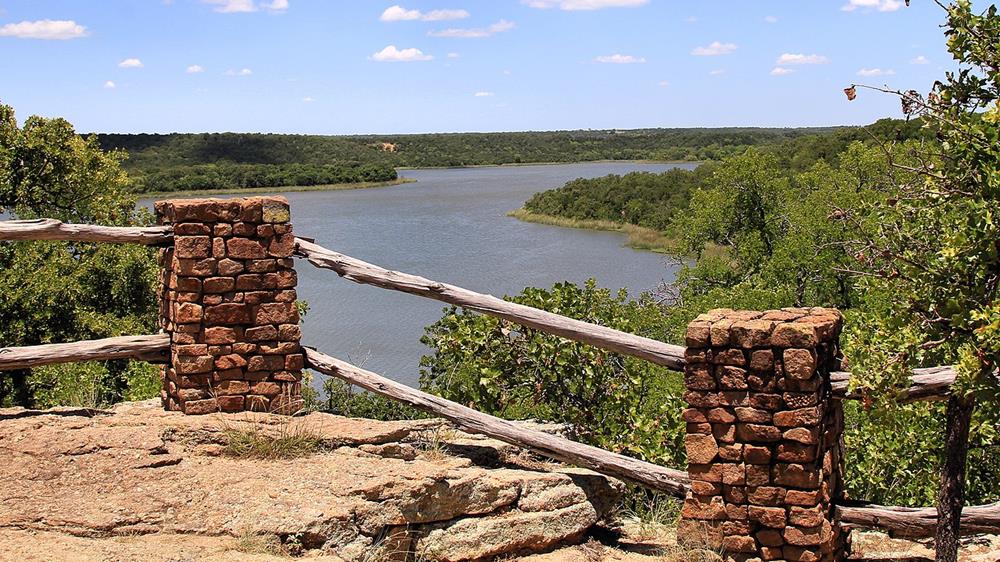
Texas's state parks offer exceptional survival skills training opportunities. You'll find family wilderness programs at Lake Mineral Wells, intensive multi-month courses near Bastrop, and challenging desert conditions in Big Bend Ranch State Park.
Practice backcountry camping skills at Colorado Bend's primitive sites, water planning in semi-arid canyon country, and wetland navigation at Brazos Bend. Each park presents unique environmental challenges that will test and enhance your survival abilities in diverse natural settings.
Lake Mineral Wells State Park: Wilderness Survival Courses for Families
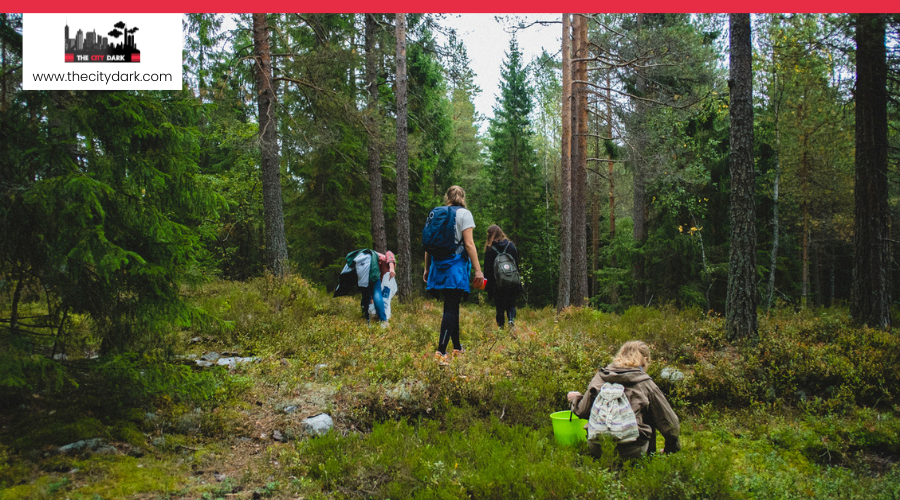
Many families flock to Lake Mineral Wells State Park for its popular wilderness survival programs tailored specifically for children and their parents. These ranger-led sessions teach essential skills using memorable acronyms like S.T.O.P. (Stay put, Think, Observe, Plan) to help kids remember what to do if lost.
Your family can apply newfound skills immediately in the park's varied terrain, with opportunities for simple shelter-building practice and navigation basics around the roughly 640-acre lake and unique rock formations. The park schedules these kid-focused programs at various times of the year, providing an excellent opportunity for children to learn life-saving wilderness safety techniques.
These practical techniques include signaling with whistles and mirrors, and using plastic trash bags for shelter or visibility. The park's diverse trails—from the Purple Trail to the Red Waterfront Trail—provide great settings for low-stakes, skills-focused hikes.
Bastrop State Park: Earth Native School Immersive Programs
Bastrop State Park sits near the Bastrop-area home of Earth Native Wilderness School, which offers some of Texas' most extensive survival training programs. Based in Bastrop at 137 Woodview Lane, the school provides everything from one-day workshops to multi-month immersive experiences for all ages and skill levels.
You'll find abundant options for long-term wilderness skills development through weekly classes and specialized monthly programs. Their curriculum covers essential survival techniques, wildlife tracking, and native plant identification.
The school excels in native craft skill instruction, teaching traditional practices like natural clay pottery, basketry, and flintknapping. They also emphasize environmental stewardship principles through a hands-on educational approach.
Whether you're a homeschooler seeking flexible outdoor education or looking for camps that build confidence in natural settings, Earth Native's programs provide hands-on experiences away from screens while fostering lasting outdoor competence.
Big Bend Ranch State Park: Desert Survival Challenges
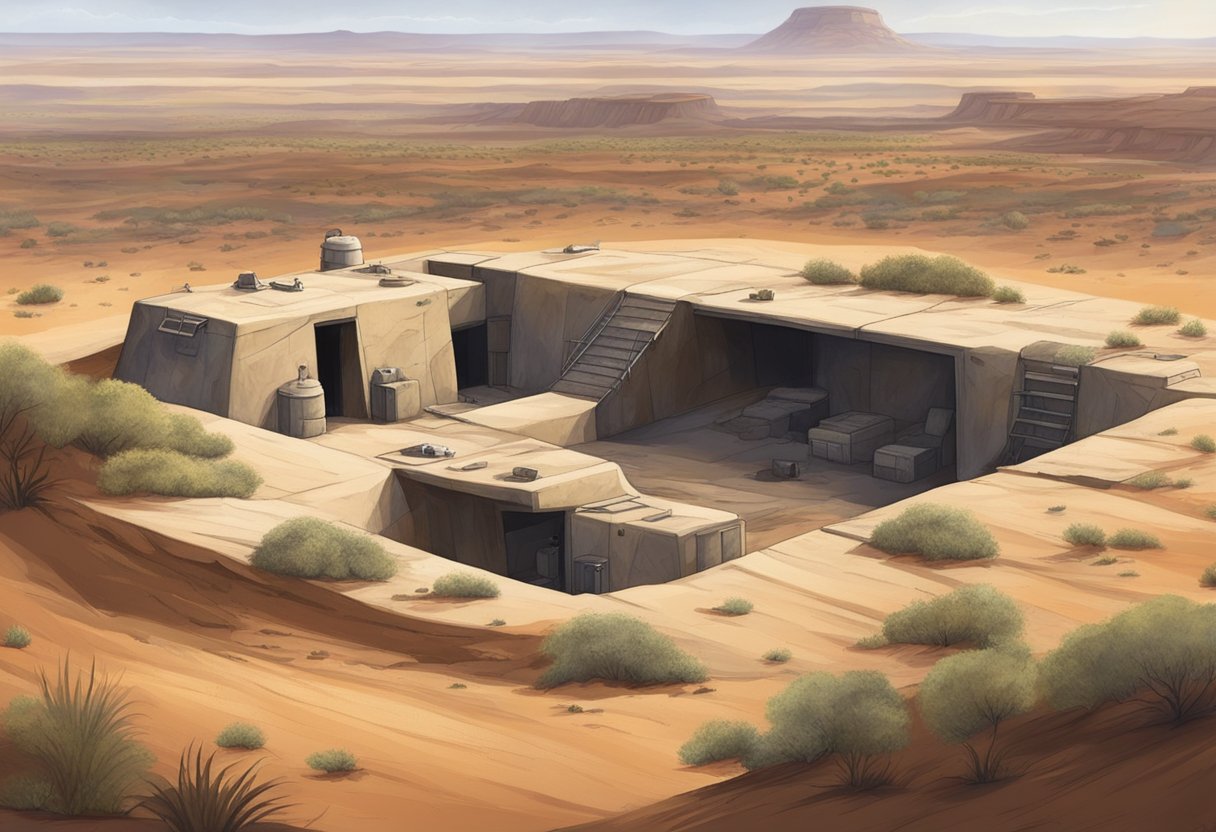
Big Bend Ranch State Park presents some of Texas' most formidable survival challenges as it stretches across the harsh northern Chihuahuan Desert. With temperatures that can soar well above 100°F and big daily swings, you'll need serious preparation to handle this environment safely.
Navigation can be demanding as the landscape is vast and remote, and you'll need solid map-reading skills even when you're using established routes. You'll need over a gallon of water per day in hot weather, reliable emergency signaling techniques, and should tell someone your plans before venturing out. A quality headlamp is essential for navigation after dark and can serve as an emergency signal if you become delayed.
The park offers unique opportunities for nocturnal wildlife observation when temperatures cool, but stay alert and practice smart food storage and camp habits. Many rescue incidents occur when hikers ignore basic safety guidance—so the best habit is to stop, assess, and make a clear plan if you're uncertain. Practice on shorter routes before attempting longer backcountry treks.
Brazos Bend State Park: Wetland Navigation and Resource Finding
Unlike the arid desert challenges of Big Bend, Brazos Bend State Park offers a completely different survival landscape across roughly 4,900 acres of wetland environment. You'll navigate through lakes and waterways that support a rich mix of habitats and wildlife.
When traversing these wetlands, rely on natural landmarks and water flow patterns rather than assuming every route will feel straightforward. The park's trail system includes easy paths like the paved Creekfield Lake Nature Trail, perfect for observing wetland ecosystems safely. The park features various ecosystems including swamps and marshes that provide unique navigation challenges. Consider raised walkways and observation areas where available to reduce mud hazards and keep a respectful distance from wildlife.
For resource awareness, learn to identify native plants while maintaining a safe distance from alligators. Never swim in park waters and back away calmly if an alligator approaches your fishing area.
Colorado Bend State Park: Cave Systems and Primitive Camping Skills
Located in the rugged Texas Hill Country, Colorado Bend State Park presents a challenging environment for advanced survival skill development with its intricate network of 400+ caves and primitive camping opportunities.
You'll need to master confined space movement in caves like Turtle Shell, where crawling and tight sections test your adaptability. The park offers guided cave experiences led by knowledgeable staff and partners who can teach proper exploration techniques. These underground environments require specialized gear—helmets, headlamps, and protective clothing are non-negotiable.
The park's primitive campsites force self-sufficiency, making you practice shelter setup, fire-building within park rules, and resource management. You'll learn karst hydrology as you navigate the limestone terrain and discover how water moves through the landscape.
The Colorado River offers opportunities to practice fishing and water purification, while the diverse topography challenges your navigation skills across 30+ miles of trails.
Enchanted Rock State Natural Area: Shelter Building on Granite Terrain
Rising majestically from the Texas Hill Country, Enchanted Rock State Natural Area presents survival enthusiasts with unique shelter-building challenges across its massive pink granite dome. You'll find limited vegetation on the rock itself, requiring adaptation of traditional techniques.
Utilize the terrain's natural features by positioning shelters near boulders that serve as windbreaks and help reduce exposure. When selecting your location, be sure to choose elevated ground to prevent potential flooding during sudden Texas downpours. The granite's mass absorbs daytime heat and releases it at night, creating temperature shifts you can plan for as conditions change.
For construction practice, use rocks for anchoring points and then supplement with materials gathered from the perimeter's scrubby vegetation where allowed. Practice water collection planning by placing tarps in natural depressions to catch rainwater when conditions support it. Position your shelter to avoid intense afternoon sun exposure while maintaining access to morning warmth.
Palo Duro Canyon State Park: Fire Making and Weather Adaptation Techniques
Carved by wind and water over millions of years, Palo Duro Canyon State Park presents unique fire-making challenges that require careful adaptation to its dramatic weather patterns. You'll need to follow strict fire containment procedures, using only designated fire rings and following current park guidance on firewood and burn conditions.
The park offers hands-on programs where you'll learn proper fire construction techniques while understanding how canyon winds can shift quickly. Always keep extinguishing materials nearby and never leave fires unattended. Park staff and volunteers can provide helpful guidance on campfire safety throughout your stay.
During dry periods, stay informed about burn bans through posted notices and park updates during incidents. Some camping areas may restrict fires entirely, so confirm rules with staff before starting any flame. The semi-arid environment demands you carefully monitor weather conditions and maintain proper hydration while practicing these essential survival skills.
Caprock Canyons State Park: Water Sourcing in Semi-Arid Environments
The rugged landscape of Caprock Canyons State Park presents significant water sourcing challenges that you'll need to overcome for successful survival experiences. The park's semi-arid climate means understanding water availability is imperative for finding reliable sources and planning your day safely.
When practicing survival skills here, focus on seasonal stream analysis to determine where water might pool even during dry periods. Look for cottonwoods and willows that indicate hidden moisture, and follow animal tracks converging toward potential water points. Canyon bottoms often trap runoff, creating natural catchments. Aim to carry several liters of water in hot conditions, and increase that amount when you're hiking hard for long hours.
Always purify any water you find through boiling, filtering, or chemical treatment. Lake Theo provides a more consistent source, but smaller tributaries may dry completely during droughts. The park's geology creates unique patterns of water retention, teaching valuable lessons in finding hydration in challenging environments.
Government Canyon State Natural Area: Edible Plant Identification Trails
Government Canyon State Natural Area offers essential terrain for practicing edible plant identification while respecting imperative conservation principles. You'll find a Wildflower Checklist & Photo Guide highlighting 35 types of wildflowers you can learn to recognize, along with bloom timing that supports better seasonal field knowledge.
When practicing survival skills here, you must stay on designated trails to protect the delicate flora preservation efforts. The visitor center and park resources help you distinguish edible plants from poisonous ones—a potentially life-saving skill. Spring offers peak identification opportunities as wildflowers emerge. Visitors can enhance their educational experience by joining interpretive programs offered by staff and volunteers passionate about natural resources.
Remember that park rules prohibit collecting plants, requiring you to adapt your survival training to focus on identification without harvesting. This environmental sensitivity teaches the ethical dimension of survival: learning to recognize resources while preserving them for future generations.
Guadalupe River State Park: Riverside Emergency Preparedness Workshops
Located along one of Texas's most scenic waterways, Guadalupe River State Park offers ranger programs and educational events that can support riverside emergency preparedness skills. You'll practice water awareness, basic purification planning, and how to identify hazards that can show up quickly in the Guadalupe River Basin.
These programs welcome everyone from beginners to advanced planners, focusing on practical skills like assembling emergency kits tailored to changing weather and flood scenarios. Working alongside park staff and community partners when available, you'll learn how local alert systems and safety messaging can support real-time decision-making during severe weather.
The programs integrate community resilience goals with hands-on learning, following widely used safety guidance while incorporating local experience. You'll gain practical knowledge about flash flood warning signs, evacuation planning, and hazard awareness—essential skills for anyone exploring Texas's beautiful but sometimes unpredictable riverside environments.
Related posts